This synergy between fuel management and telematics provides fleet managers with comprehensive insights, enabling data-driven decisions that drive cost savings and operational excellence.
Understanding Fleet Fuel Cards
Fleet fuel cards are specialized payment instruments designed for businesses to manage fuel purchases and related expenses for their vehicles. Unlike traditional credit cards, these cards offer enhanced controls, detailed reporting, and integration capabilities that make them indispensable tools for modern fleet management.
The Role of Fleet Tracking Systems
Fleet tracking systems, powered by GPS technology, allow businesses to monitor the real-time location, movement, and status of their vehicles. These systems provide insights into routes taken, driving behaviors, and vehicle utilization, enabling fleet managers to optimize operations, enhance safety, and improve customer satisfaction.
The Power of Integration
Integrating fuel cards with fleet tracking systems creates a unified platform where fuel transactions are automatically matched with vehicle data, offering a holistic view of fleet operations. This integration streamlines processes, reduces administrative burdens, and provides actionable insights.
Benefits of Integration
1. Enhanced Expense Management: Integration allows for real-time monitoring of fuel purchases, ensuring that every transaction is legitimate and necessary. This automatic recording and categorization of fuel expenses eliminate manual entry, reducing errors and administrative workload.
2. Improved Route Optimization: By analyzing fuel consumption patterns across different routes, fleet managers can identify the most fuel-efficient paths and optimize their operations accordingly. This not only reduces fuel costs but also minimizes vehicle wear and tear, extending their lifespan and reducing maintenance expenses.
3. Fraud Prevention: Integration provides real-time alerts for any suspicious activity, such as fuel purchases made while the vehicle is parked elsewhere. This level of control significantly reduces the risk of fraud and ensures that fuel expenses are strictly for business purposes.
4. Driver Behavior Monitoring: Aggressive driving, excessive idling, and speeding can all lead to higher fuel consumption. By integrating fuel cards with GPS tracking systems, fleet managers can monitor driver behavior in real-time, promoting fuel-efficient driving practices and reducing costs.
5. Environmental Sustainability: Optimizing routes and promoting fuel-efficient driving practices help companies reduce their environmental impact. This not only benefits the planet but also enhances the company’s reputation as a responsible and eco-friendly business.
Case in Point: Shell Fleet Solutions
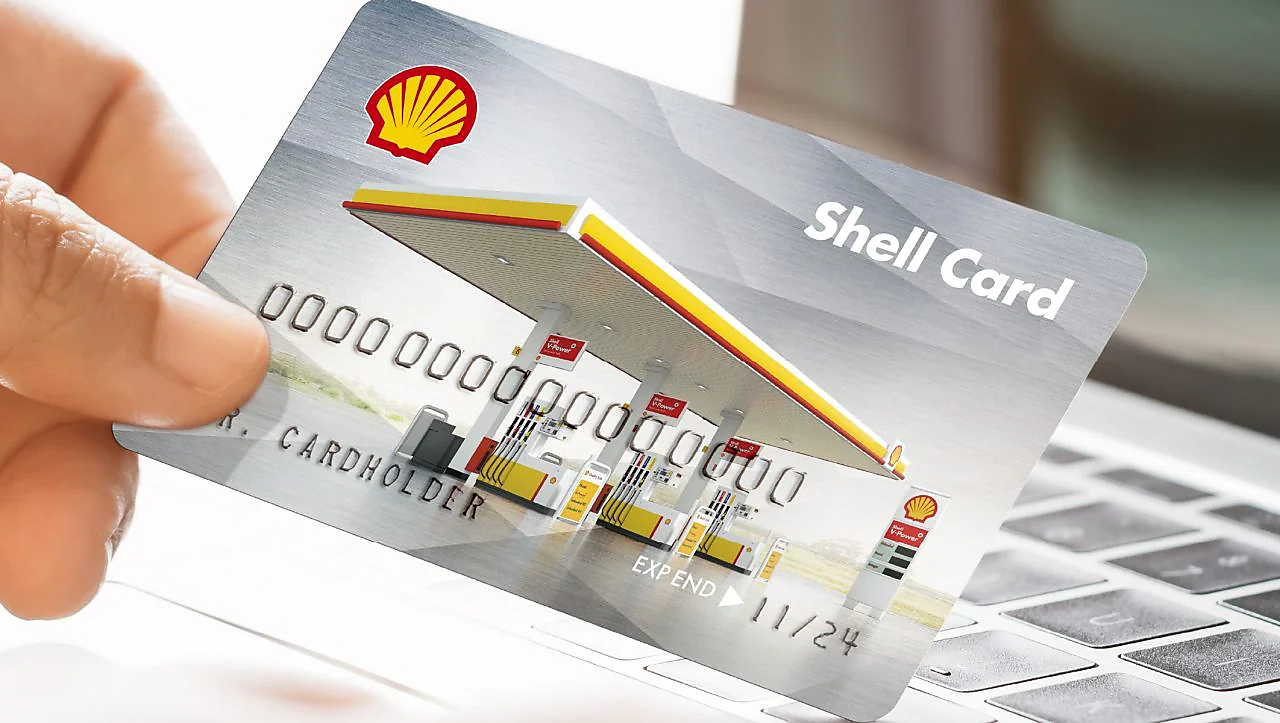
Shell offers fleet cards that integrate seamlessly with fleet management systems, providing businesses with tools to control costs, prevent fraud, and optimize operations. The Shell Card Business and Shell Card Business Flex™ are designed to cater to different business needs, offering benefits such as:
• Cost Control: Set limits on purchases, access detailed fueling activity reports, and manage cards using online or mobile tools.
• Convenience: Fuel up at over 12,000 Shell stations or choose a card accepted at 95% of all U.S. fueling stations, with 24/7 customer service support.
• Savings: Earn rebates of up to 6¢ per gallon and enjoy discounts at participating service locations.
• Security: Cancel lost or stolen cards in real-time, utilize Driver IDs and purchase controls, and monitor transactions with tools like DriverDash.
These integrated solutions empower businesses to make informed decisions, enhance operational efficiency, and achieve significant cost savings.
Implementation Considerations
When integrating fuel cards with fleet tracking systems, businesses should consider the following:
• Compatibility: Ensure that the chosen fuel card provider supports integration with your existing fleet management system.
• Data Accuracy: Accurate data entry is crucial for effective monitoring and reporting. Implementing driver ID and mileage entry at the pump can improve accountability and provide data for analyzing fuel efficiency.
• Training: Educate drivers and administrative staff on the proper use of integrated systems to maximize benefits and ensure compliance with company policies.
• Security Measures: Implement robust security protocols, such as PIN protection and real-time fraud detection, to safeguard against unauthorized transactions.